Installing kitchen cabinets can seem intimidating, but with the right preparation, tools, and step-by-step guidance, it’s a task that even a beginner DIYer can accomplish. The key is to understand the process, measure accurately, and work methodically. In this guide, I’ll share professional tips, practical advice, and a real-life case study to help you successfully tackle installing kitchen cabinets in your home.
Content
Why Installing Kitchen Cabinets Correctly Matters
Cabinets aren’t just storage they define the look, functionality, and flow of your kitchen. Poorly installed cabinets can lead to misaligned doors, uneven countertops, and long-term frustration. On the other hand, a precise installation:
Ensures durability and longevity
Provides a professional, polished look
Maximizes kitchen efficiency
Enhances your home’s value
From my experience assisting homeowners, even small mistakes like not leveling upper cabinets can create a noticeable, frustrating problem down the line. Taking time at the start to plan and measure makes a huge difference.
Tools and Preparation You’ll Need
Before you start mounting kitchen cabinets, gather these essentials:
Tape measure and level
Stud finder
Screwdrivers and drill
Clamps
Cabinet shims
Painter’s tape
Pencil and notebook for labeling
Safety gear (gloves and goggles)
Laying out all tools and labeling each cabinet in advance saves a lot of time during installation.
Measure and Plan Your Layout
Accurate measurement is crucial. Start by:
Measuring the walls and marking the stud locations
Planning the cabinet layout on paper or using software
Ensuring that the lower cabinets align with countertop heights
Confirming spacing for appliances and sinks
A poorly planned layout can cause gaps, uneven counters, or doors that don’t close properly. Taking the extra time to plan prevents headaches later.
Installing Base Cabinets
Base cabinets are the foundation of your kitchen. Steps for installing them:
Start from the corner and work outward
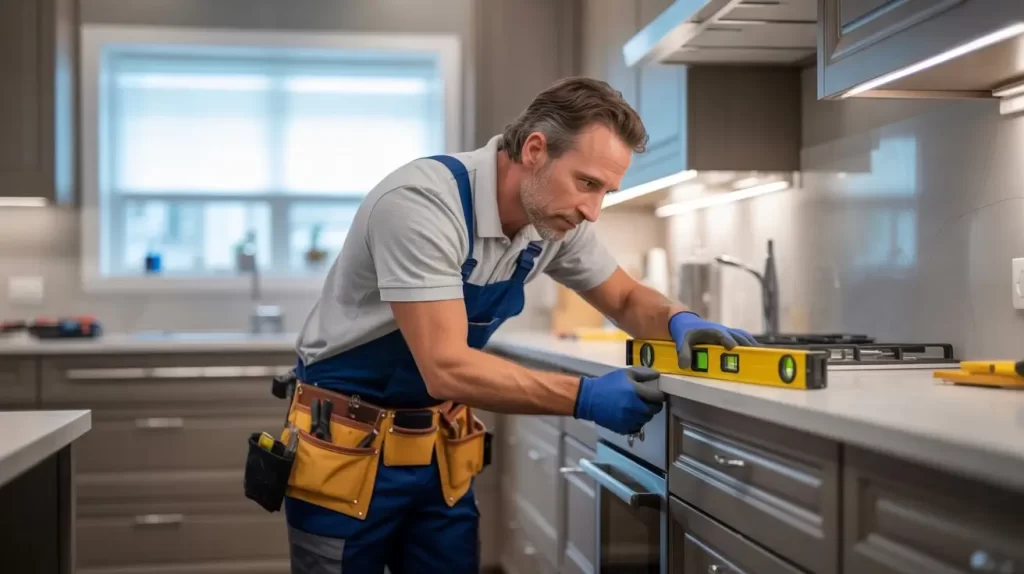
Place shims under cabinets to level them
Screw cabinets into studs to secure them
Check alignment with a level frequently
I helped a client install base cabinets in a small kitchen. By starting in the corner and using shims, we achieved perfect leveling even on a slightly uneven floor.
Installing Upper Cabinets
Upper cabinets require extra attention to avoid sagging or misalignment:
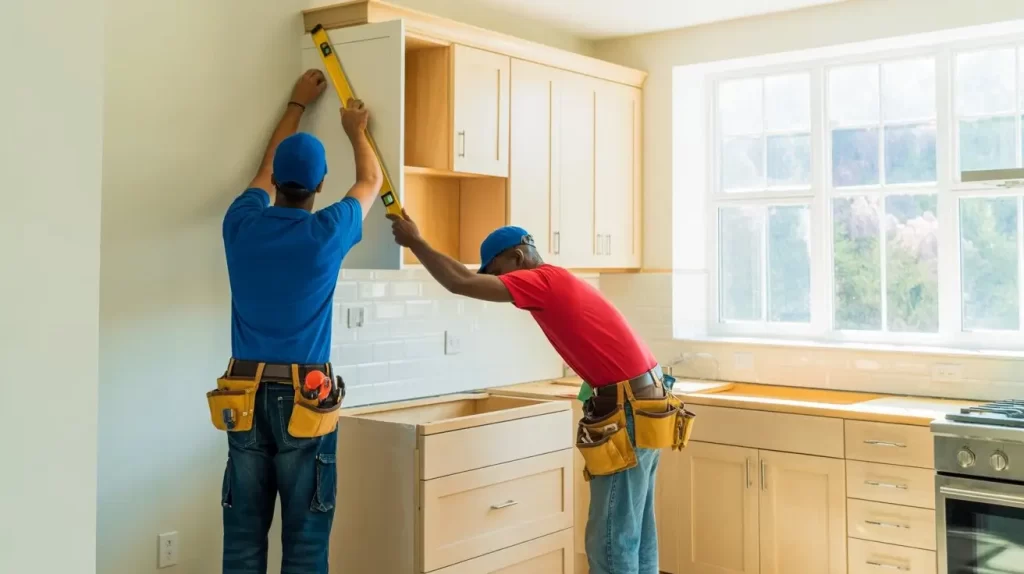
Use a ledger board to support cabinets while securing them
Start from the corner and work outward
Attach cabinets to wall studs and to adjoining cabinets
Double-check level and spacing between cabinets
Always have a second person help hold upper cabinets this prevents accidents and ensures precise alignment.
Adding Finishing Touches
Once cabinets are secured:
Install cabinet doors and hardware
Apply caulk or trim to fill gaps
Check that doors and drawers open smoothly
Make any necessary minor adjustments
Finishing touches make a big difference in achieving a professional-looking kitchen.
Real-Life Case Study: Transforming a Kitchen with DIY Installation
Last year, I worked with Sarah, a homeowner who wanted to remodel her dated kitchen. She was nervous about installing DIY kitchen cabinets herself. Here’s what we did:
Planned the layout carefully, marking studs and spacing
Installed base cabinets first using shims to account for uneven flooring
Mounted upper cabinets with a ledger board and a second helper
Added soft-close drawers and new cabinet hardware
The result? A fully functional, modern kitchen that looked professionally installed was achieved entirely through DIY techniques. Sarah was thrilled to see her kitchen transformed without hiring a full-time contractor.
Common Mistakes to Avoid
Even experienced DIYers can encounter issues. Avoid these common pitfalls:
Not leveling cabinets before securing them
Skipping measurements or layout planning
Using improper screws or not anchoring into studs
Rushing the process and skipping finishing touches
Taking your time and following each step carefully ensures the cabinets are functional, safe, and aesthetically pleasing.
Conclusion:
Installing kitchen cabinets may seem intimidating, but with the right tools, planning, and attention to detail, it’s completely doable. Whether you’re tackling a full kitchen remodel or simply replacing old cabinets tomodern kitchen cabinets, following these steps will help you achieve a polished, professional-looking result.
Remember, preparation and patience are the keys to success. Once installed, your cabinets will provide functionality, beauty, and lasting value for years to come.
FAQs About Installing Kitchen Cabinets:
Q1: When installing kitchen cabinets, where do you start?
Start with base cabinets in a corner, level them with shims, then proceed outward for a smooth installation.
Q2: Is it hard to install your own kitchen cabinets?
With proper tools, planning, and basic DIY skills, installing kitchen cabinets yourself is achievable.
Q3: What is the average cost of installing new kitchen cabinets?
Installation costs vary by size and style, but DIY installation saves labor expenses compared to hiring a pro.
Q4: Do cabinets need to be attached to studs?
Yes, attaching cabinets to wall studs ensures stability, safety, and proper support for weight.
Alexis is a dedicated home improvement blog author who has a passion for writing. She enjoys blogging about all sorts of topics, from interior design to landscaping and more! She loves the outdoors and spending time in nature with her family. She also likes to bake in her free time.