Choosing the right kitchen cabinet styles can completely transform the look and feel of your kitchen. Whether you’re remodeling a dated space or building a brand-new kitchen, the style of your cabinets sets the tone for the entire room. From classic traditional cabinets to sleek modern designs, the options are endless but which style is right for you?
In this guide, I’ll walk you through the most popular kitchen cabinet styles, provide design tips, and share a real-life case study to inspire your next renovation.
Content
Why Kitchen Cabinet Styles Matter
Cabinets aren’t just functional; they’re a major design element that affects your kitchen’s ambiance and value. The right style can:
Complement your home’s architectural design
Enhance kitchen functionality
Reflect your personal taste and lifestyle
Increase the resale value of your home
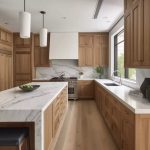
From my experience helping clients renovate kitchens, I’ve learned that choosing the right cabinet style early on whether sleek modern designs or timeless white oak cabinets makes all the difference in creating a cohesive and beautiful space.
Popular Kitchen Cabinet Styles
Here’s a breakdown of some of the most popular kitchen cabinet styles you can consider:
1. Traditional Kitchen Cabinets
Traditional cabinets are timeless, featuring intricate details and classic designs. Common characteristics include:
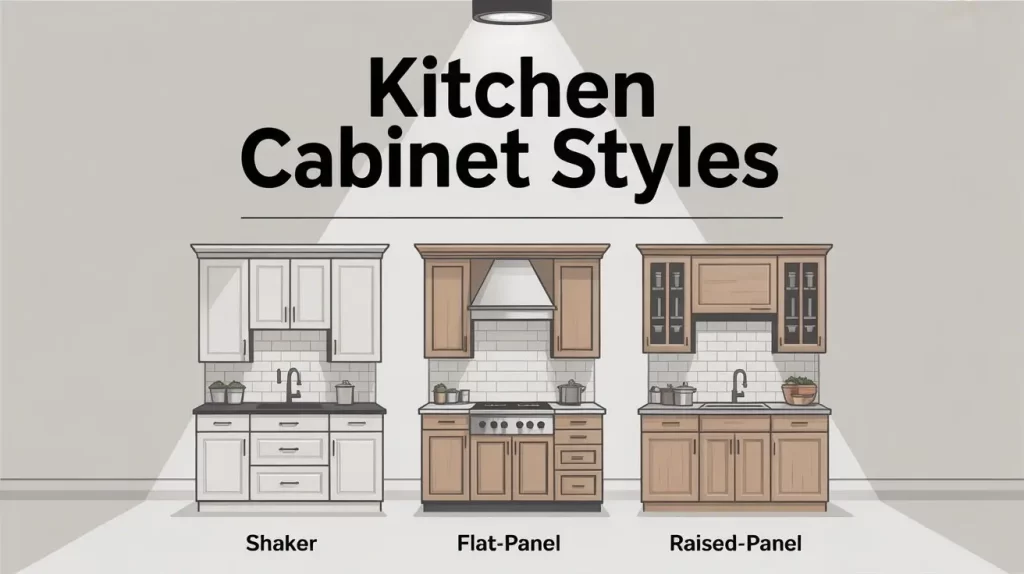
Raised panel doors
Crown molding and decorative trims
Rich wood finishes like cherry, mahogany, or maple
These cabinets work well in formal kitchens and homes with classic architecture. I once helped a client transform her 1980s kitchen with cherry wood traditional cabinets, which instantly added warmth and elegance to the space.
2. Shaker Style Cabinets
Shaker style cabinets are known for their simplicity and functionality. They typically feature:
Flat-panel doors with a simple frame
Minimal ornamentation
Neutral paint colors or natural wood finishes
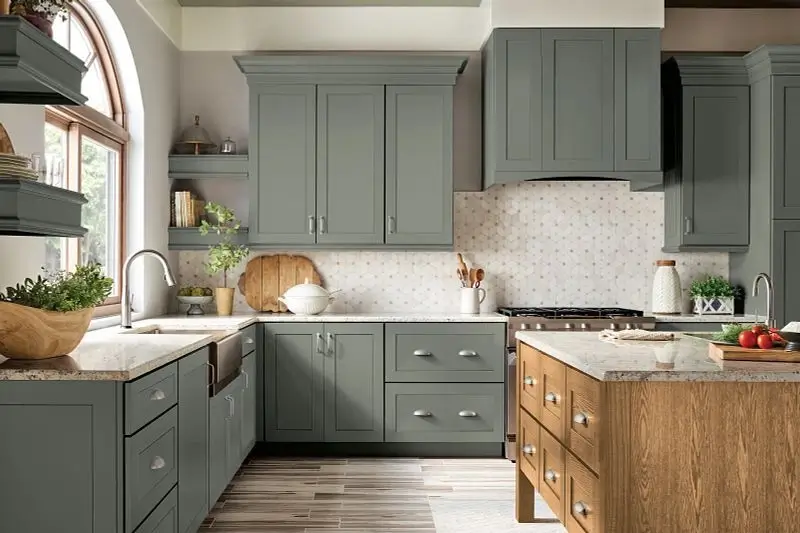
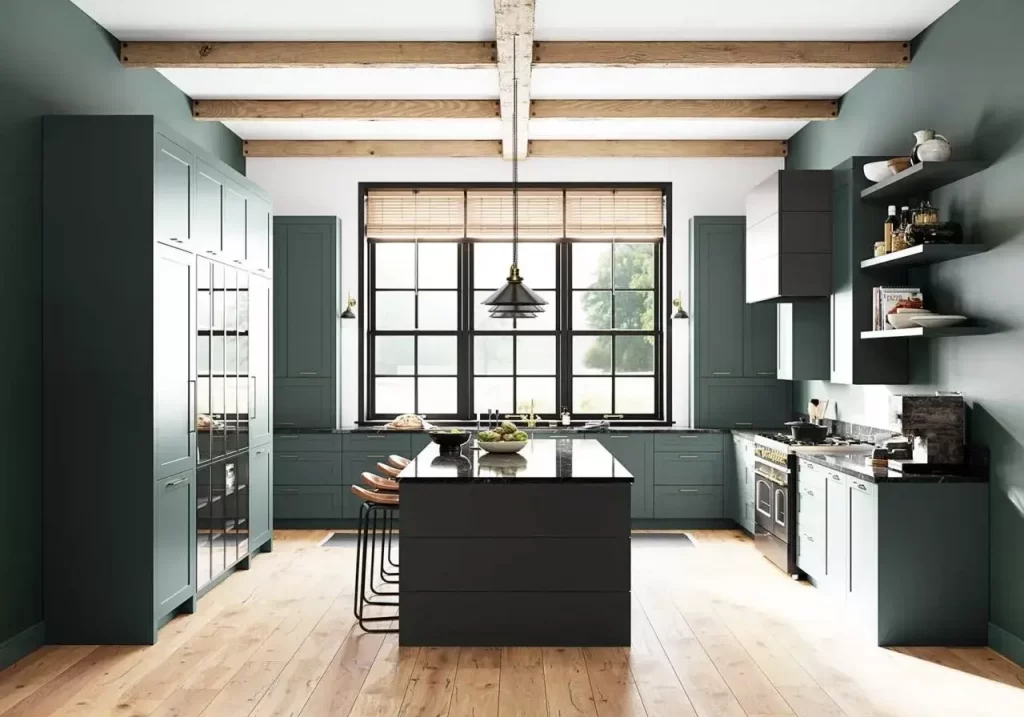
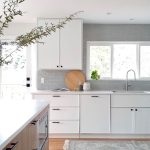
Shaker cabinets are versatile, fitting both modern and classic kitchens. Their clean lines make them ideal for small spaces, giving kitchens a bright and open feel.
3. Transitional Kitchen Cabinets
Transitional cabinets combine traditional and contemporary design elements. They offer:
Clean, simple lines with subtle decorative touches
Neutral colors like white, gray, or soft pastels
Flexibility to match various design aesthetics
This style is perfect for homeowners who want a modern kitchen with a hint of classic charm. I recommended transitional cabinets to a couple who wanted a modernized kitchen but didn’t want to completely abandon their home’s traditional character. The result was a harmonious blend of old and new.
Farmhouse cabinets bring a cozy, rustic vibe to your kitchen. Common features include:
Open shelving or glass-front cabinets
Distressed wood finishes
Bold, contrasting colors
This style works beautifully in casual kitchens and homes with country or rustic themes. In a recent renovation, we added farmhouse cabinets with open shelving, which not only improved storage but also became a striking design feature that guests loved.
How to Choose the Right Style
Selecting the right kitchen cabinet style depends on several factors:
Home architecture: Match cabinets to your home’s overall style.
Kitchen size: Sleek, modern cabinets suit small kitchens, while ornate traditional cabinets fit larger spaces.
Budget: Painted cabinets and simpler designs often cost less than custom, detailed cabinetry.
Lifestyle: Consider durability, maintenance, and how often you entertain guests.
Mix and match styles! For example, Slim Shaker cabinets on lower cabinets with open shelving above can create visual interest and functionality.
Real-Life Case Study: Transforming a Small Kitchen
One of my clients, Lisa, wanted to remodel her small urban kitchen, which felt cramped and outdated. After discussing design goals and lifestyle needs, we chose:
Lower cabinets: Shaker style in soft gray for simplicity and openness
Upper cabinets: Open shelving to make the space feel larger
Hardware: Matte black handles for a modern touch
The result was a bright, functional kitchen that maximized space and reflected Lisa’s style. She was thrilled with how the combination of kitchen cabinet styles created a unique, customized look.
Comparing Kitchen Cabinet Styles
Style
Key Features
Best For
Finish Options
Traditional
Raised panels, decorative molding
Formal kitchens
Dark woods, rich tones
Shaker
Simple frame, flat panels
Small or versatile spaces
Neutral paints, natural wood
Transitional
Blend of traditional & modern
Balanced aesthetics
Soft pastels, white, gray
Farmhouse
Rustic, open shelving, glass fronts
Cozy, casual kitchens
Distressed wood, bold colors
This table helps homeowners quickly compare the main features, making it easier to decide which style fits their space.
Conclusion:
Choosing the right kitchen cabinet style is more than just picking a look it’s about creating a kitchen that feels like home. Whether you love the elegance of traditional cabinets, the simplicity of Shaker, the balanced charm of transitional styles, or the rustic vibe of farmhouse designs, there’s a style to suit every home and lifestyle.
Remember to consider architecture, space, lifestyle, and budget when making your choice. With the right cabinets, your kitchen can be both beautiful and functional for years to come.
FAQs About Kitchen Cabinet Styles:
Q1: What are the different styles of kitchen cabinets?
Popular kitchen cabinet styles include traditional, Shaker, transitional, and farmhouse designs for various tastes.
Q2: What are the three types of cabinet styles?
Three common cabinet styles are traditional, Shaker, and transitional, each offering unique design features.
Q3: What style of kitchen cabinet is most popular?
Shaker cabinets are the most popular, thanks to their clean lines and versatile design.
Q4: What kitchen cabinets are out of style?
Overly ornate or dated wood cabinets with heavy moldings are less popular in modern kitchen designs.
Alexis is a dedicated home improvement blog author who has a passion for writing. She enjoys blogging about all sorts of topics, from interior design to landscaping and more! She loves the outdoors and spending time in nature with her family. She also likes to bake in her free time.