
Choosing the right storefront door is a crucial decision for any commercial property owner. Your door is not only the entry point to your business but also a reflection of your brand and a factor in security, durability, and energy efficiency. With so many options available, understanding the differences between steel vs aluminum doors can help you make the right choice for your needs.
Content
Understanding Steel vs Aluminum Storefront Doors
When it comes to commercial entrances, two of the most popular materials are steel and aluminum. Steel vs aluminum storefront doors offer distinct benefits depending on your priorities. Steel doors are known for their strength and durability, making them ideal for high-traffic areas or locations where security is a concern. Aluminum doors, on the other hand, are lightweight and corrosion-resistant, which makes them perfect for retail stores or buildings in coastal areas.
Understanding the pros and cons of each material can simplify your decision-making process and ensure your investment lasts for years.
Advantages of Steel Doors
One of the main benefits of steel doors is their strength and security. Steel is a highly durable material that resists impact, bending, and forced entry, which makes it a preferred choice for industrial buildings, warehouses, and commercial facilities with heavy foot traffic. Additionally, steel doors often have fire-rated options, adding an extra layer of safety for your building.
Steel doors also require relatively low maintenance, though they may need protective coatings or painting to prevent rust over time. For businesses that prioritize security and longevity, steel doors are a solid investment that offers peace of mind.
Advantages of Aluminum Doors
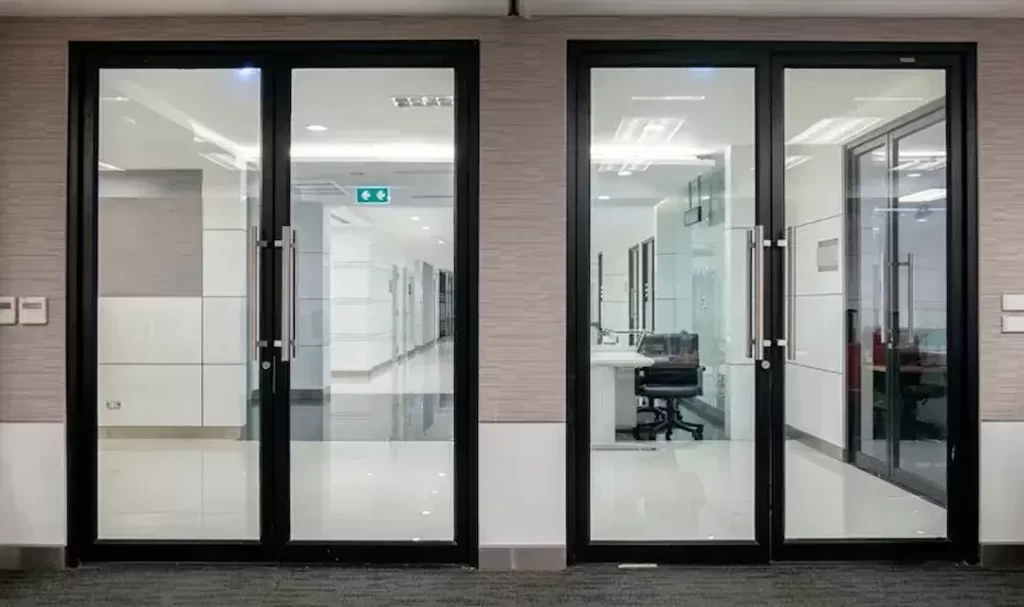
Aluminum doors, in contrast, offer a different set of benefits. Lightweight and corrosion-resistant, aluminum doors are easy to operate and maintain. They are an excellent choice for storefronts where appearance and aesthetics are important. Aluminum doors pair well with glass panels, creating an open and inviting entrance for customers.
Additionally, aluminum doors handle environmental factors like moisture and salt better than steel, making them ideal for coastal locations or areas with high humidity. While aluminum may not provide the same level of security as steel, reinforced aluminum doors and modern locking systems can enhance protection without compromising style.
Comparing Steel and Aluminum Doors
When comparing steel and aluminum doors, several factors should be considered:
- Durability: Steel doors are stronger and more resistant to impact, while aluminum doors are lighter but may dent more easily.
- Security: Steel doors provide maximum security for high-risk areas, whereas aluminum doors offer sufficient security for retail or office environments.
- Appearance: Aluminum doors are more versatile for modern designs and large glass panels, giving storefronts a sleek and contemporary look.
- Maintenance: Aluminum naturally resists corrosion, while steel may require protective finishes to prevent rust.
- Weight: Aluminum doors are easier to operate due to their lighter weight, while steel doors require reinforced frames and hardware.
Making the Right Storefront Door Choice
Choosing between steel and aluminum ultimately depends on your business needs. For facilities where security and durability are top priorities, steel doors are often the preferred option. For retail spaces or areas where aesthetics and ease of operation are more important, aluminum doors may be a better fit.
It’s also worth considering a combination of steel and aluminum doors in some projects. For instance, using aluminum for customer-facing entrances and steel for service or back entrances can provide a balance of security and style.
When exploring your storefront door choices, evaluate your building location, traffic levels, security concerns, and design preferences. Consulting with a professional can help ensure that you select doors that meet both functional and aesthetic requirements.
Conclusion
Understanding the differences between steel vs aluminum doors and steel vs aluminum storefront doors is essential for making an informed decision. Both materials offer unique advantages that cater to specific commercial needs. By carefully assessing your priorities—whether it’s strength, security, aesthetics, or maintenance—you can choose the right solution for your business.
Investing in the right storefront door choice not only improves the appearance of your property but also ensures long-term functionality and safety. Ultimately, the decision between steel and aluminum doors comes down to matching the material’s characteristics with your business requirements. Making the right choice today will provide benefits for years to come.

Gary is a home improvement blogger who strives to improve his life and the lives of others. He provides homeowners with helpful tips on how to renovate their homes. His goal is not only to provide easy-to-follow instructions, but also share his own personal experiences for those seeking guidance.